
Museums are known to be storage places for items from the past and, it’s well known that the past is a rocky place to explore.
We recently received a small collection of items related to WWII that the donor’s relative had picked up overseas while fighting in WWII. Known to collectors as "militaria", the donation included several pins and medals, a belt buckle, and an army green coat- along with a Nazi Armband and oversized Nazi flag. Except for the coat, which was worn by the donor’s relative while fighting for the US in the war, all the other items were Nazi items, emblazoned with the swastika, eagle and other related symbols of the Nazis and organizations that worked within the Nazi regime.
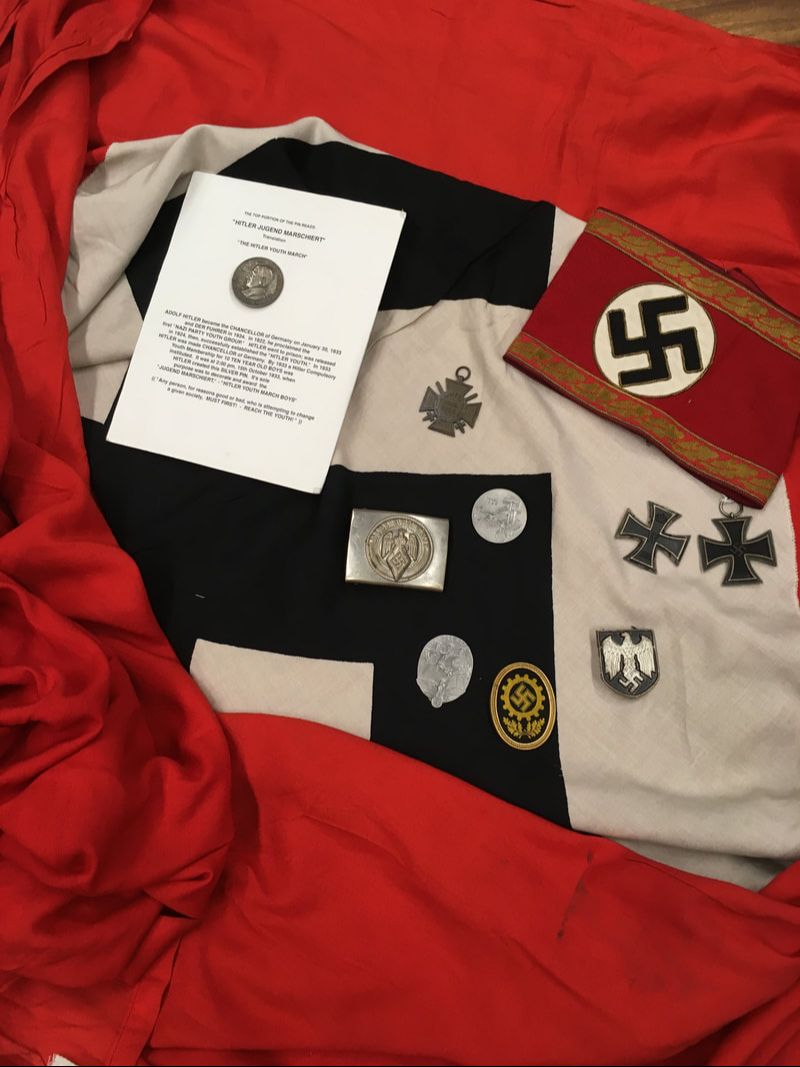 | I spoke with a few people about the new donation and received a number of comments along the lines of “why would people hang onto stuff like that? It’s a time in history that’s something to forget about.” While I did feel weird unfolding the flag (which was almost as long as the museum office is wide) to look for maker's marks and researching Nazi armbands on the internet, I thought a lot about the things people hang onto. Why would someone fighting the Nazis save some of their stuff? And what kind of historical value do they have in a local history museum? |
| People hang onto all kinds of things for all kinds of reasons. We oftentimes hold memories in the items we possess and in the items of people we know. I have a plate that hangs on my wall at home with a donkey surrounded by dogwoods that was from my grandparent’s basement, which reminds me of all the fun times I had there as a kid that also unknowingly prepared me for working in a museum. We attach memories and stories of experiences into the items we find, purchase, carry with us, and leave behind, creating a chain of memories. | 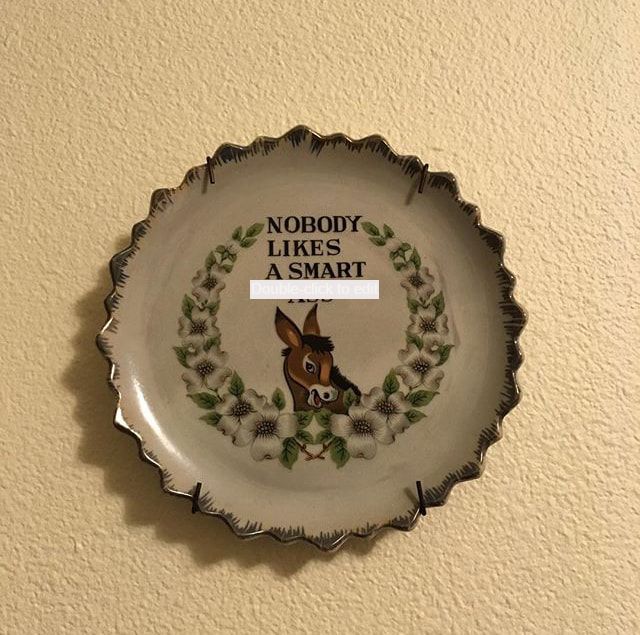 |
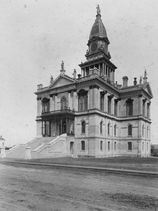
Hanging onto items and displaying items from difficult, dark, and menacing points in personal, local or international history allows us to tell the stories and share the lessons learned from those time periods. It’s understandable that many people view display items as items to be viewed positively, or even venerate- after all, in most contexts we put on display the things we want people to appreciate. Large, elaborate churches for example are displays built to inspire a self-diminishing feeling against the grandeur presented. This translates over to more secularized institutions, which you can see in the photos below. Notice how statues upon pedestals, and artwork hangs high on the walls making the subjects larger than life, in buildings that tower above, making the viewer feel smaller and insignificant.
For items like artifacts from Nazi Germany, it's problematic to display them due to their appearance in a recent historical period that affected so many people. However, it is possible to display these charged items within an historically-informed context without venerating them. This informed context allows us to look back and see the evolution of symbols contained within the items and how different populations interacting with a symbol can influence it.
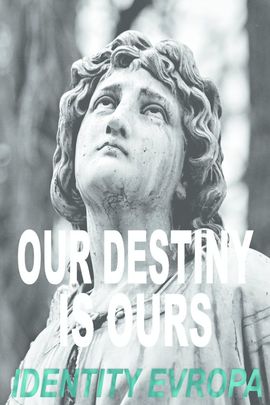 | The recent uptick in "Identity Evropa" postings around Humboldt County is an example of how the symbols of hate regenerate with new populations drawing from past ideologies and adopting their own symbolism. The group has been posting images of European statues with statements that give a polished and neutral face to a white supremacy organization focused on creating a unified group oriented around a common "European" identity-similar to how the Nazis tried to organize around an Aryan identity via tactics including the adoption of the swastika. While the group currently tries to avoid inflammatory statements against non-white groups, that doesn't mean that their actions don't say the words their overarching organizers prevent them from saying. |
| Additionally, the Nazis used fashionable, trendy posters and models to promote Nazism in Germany, such as this poster that promotes the National Socialist Student Union. One of "Identity Evropa" goals is to have their symbols and sayings become so embedded in daily life that white supremacy becomes acceptable in day to day society. In Nazi Germany, the swastika was incorporated into daily life in an incredibly similar way, with the symbol appearing in children's books, on propaganda posters, and on the armbands of teachers, along with being openly displayed by supporters through flags like the one donated to the museum. There are even parallels between Nazism promoted in universities and Identity Evropa's focus on canvassing university campuses. | 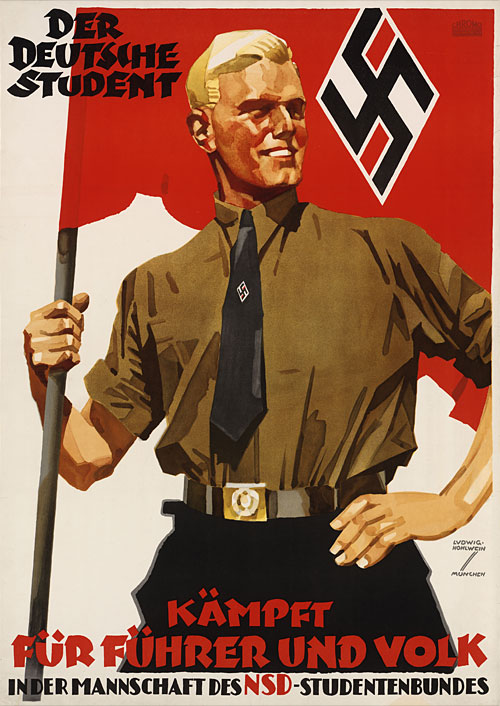 US Holocaust Memorial Museum |
Different symbols may be used in different time periods while retaining the same ideology.
Hanging onto the Nazi items and presenting them in a contextualized way can tell incredibly important stories- of how the regime came to power democratically and then influenced sections of the population to agree or fall silent, leading to unspeakable atrocities-and how it was something that very well could happen again if we don’t remember the warnings from the past. They can also tell us the stories of the people most affected by the political climate of the time and the very real effects of ideologies on the actions of people. Conscious, contextualized displays can create spaces for memorials-for those lost and the worldwide effects that rippled outwards from the decisions and bias of a privileged few.
Guided by history, we can do something about hate.
| I finished processing the new donation and put the Nazi items into our storage. We hold onto these things that we’d rather forget but must, at all costs, remember, lest we let it happen again. | 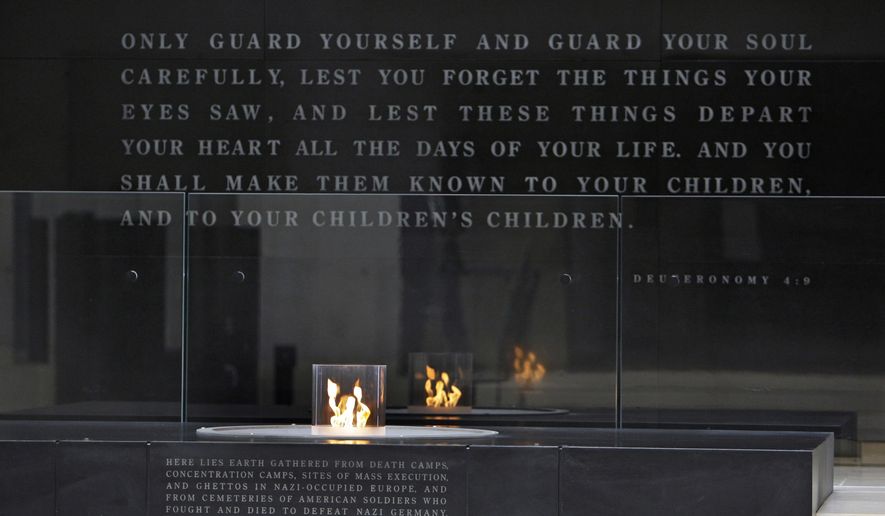 From the US Holocaust Memorial Museum |

 RSS Feed