|
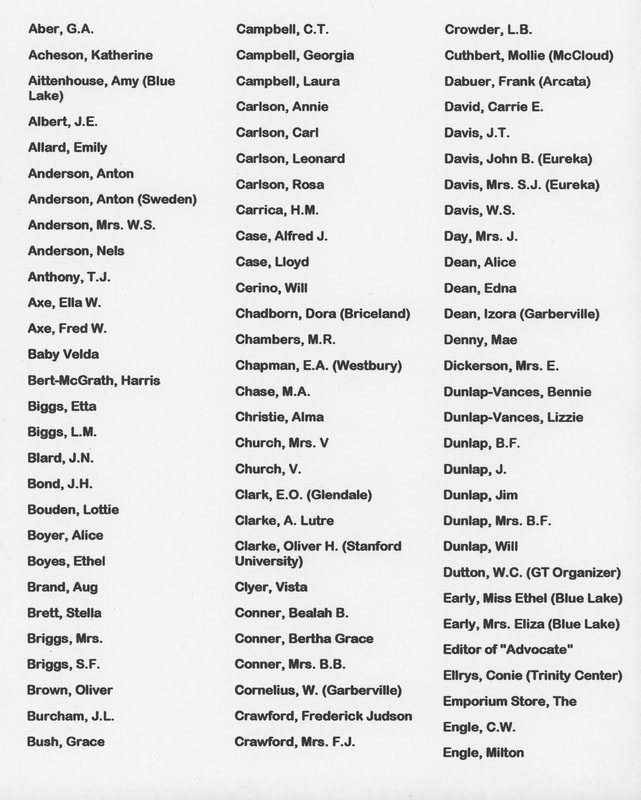
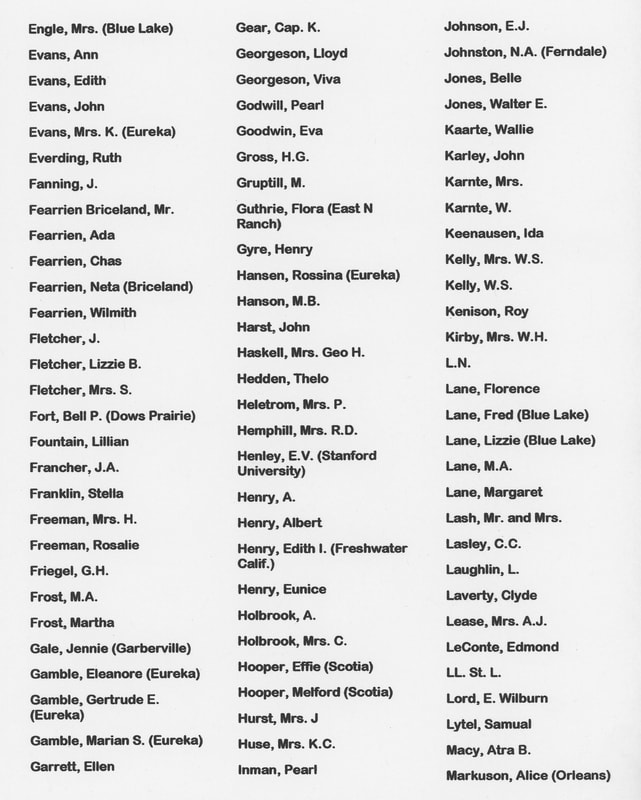
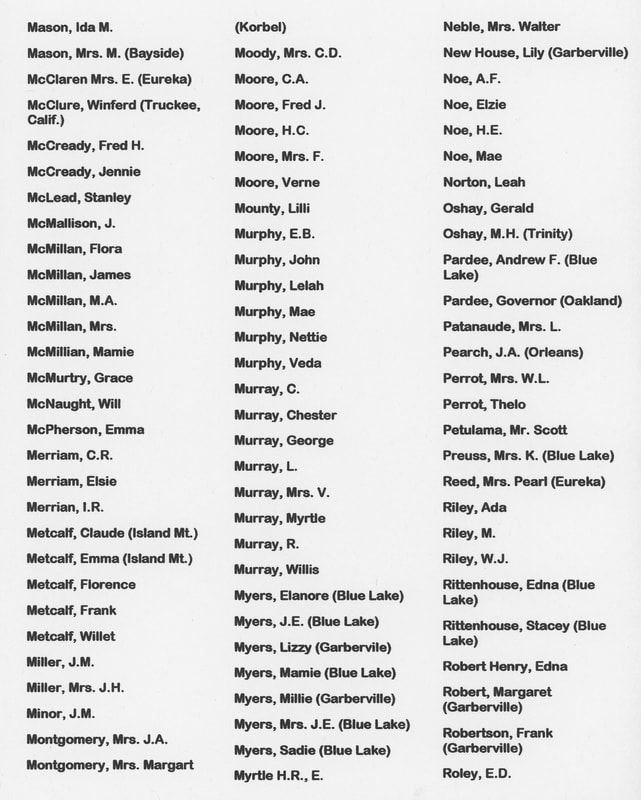
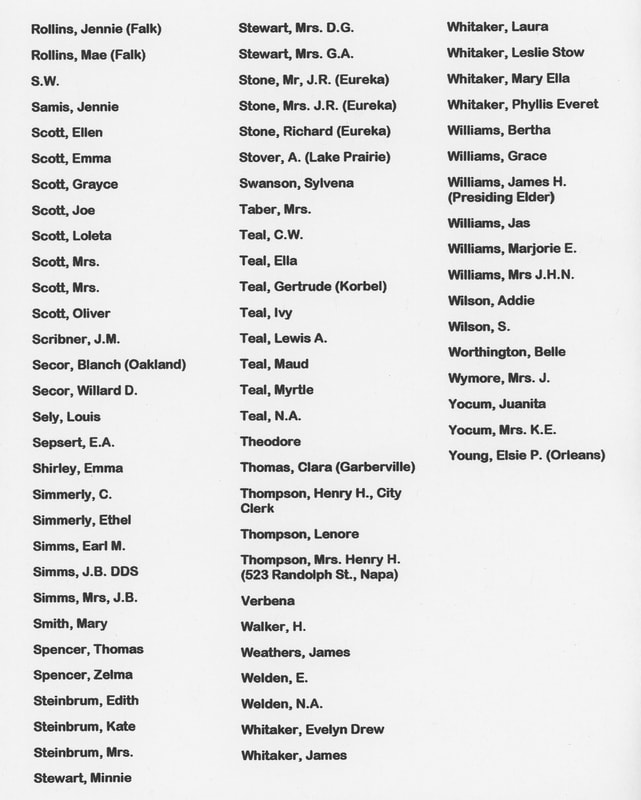
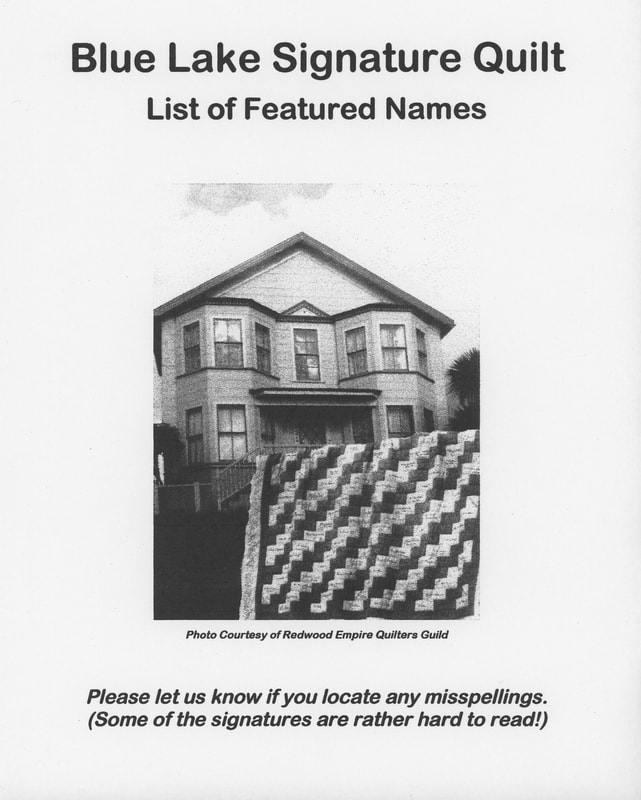
Thanks to Museum Volunteer Leslie Riecke, we now know more about one of the signatures on the famous Blue Lake Signature Quilt! What is the Blue Lake Signature Quilt?The Blue Lake Signature Quilt is a large, blue and white quilt with an embroidered border. On each quilt block is a signature of a Humboldt County resident who lived in or around Blue Lake in 1903. The quilt was donated to the museum in 1966 by Susie Baker Fountain, who is locally known for her massive collection of newspaper clippings and other materials detailing the early settlement of Humboldt County. The quilt has captured the attention of local historians throughout Humboldt County, including Leslie, one of the museum's volunteers. Captain W. C. DuttonIn the June 10, 1905 entry of the Susie Baker Fountain Papers (Volume 88, pg 363), Susie mentions a Captain W.C Dutton, a man from Tennessee whose name is on the Blue Lake Signature Quilt. He lived in Blue Lake for a time and had organized the Blue Lake Chapter of the International Organization of Good Templars (IOGT) two years prior, in 1903. The Papers States that Captain Dutton would be returning to the area in the next week. Leslie mentioned that it could have been possible that the quilt had been made to be auctioned off, with the intent that the funds would be used to help establish a local chapter of the IOGT. You can view the finding aid for the Susie Baker Fountain Papers through the Humboldt Room website operated by Humboldt State University here. Want to help tell the stories of the Blue Lake Quilt signers?Below are the names of the individuals who signed the quilt. If you find any information on the people listed, please feel free to contact Katie at [email protected]
5 Comments
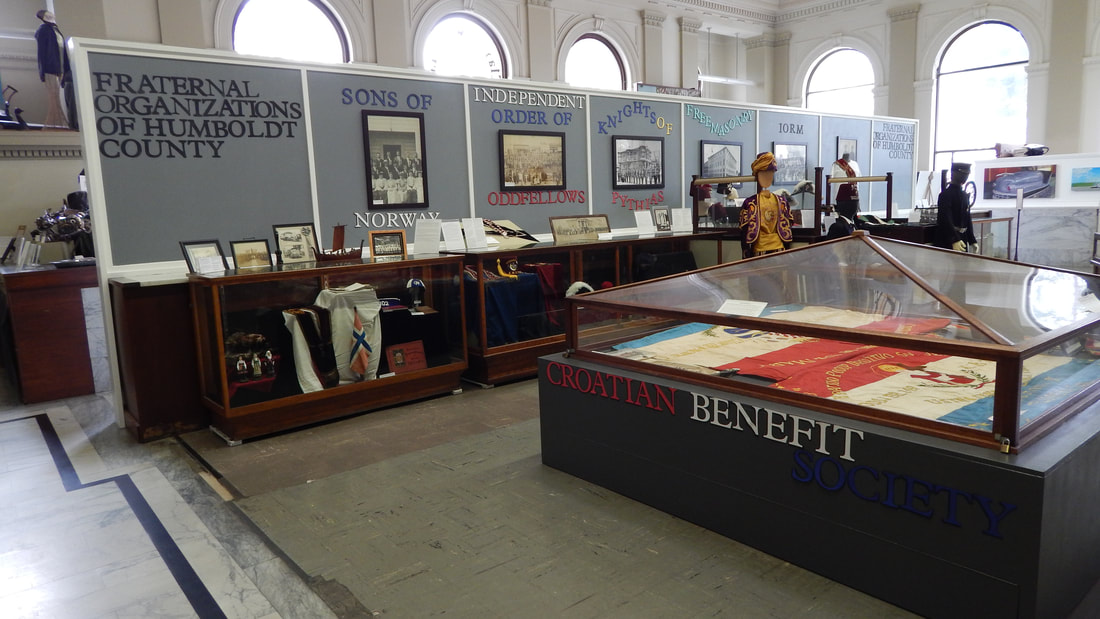
The new wall provides more dynamic space for our changing displays. During January, the Museum was closed to the public. Traditionally, this time has been used to swap out exhibits and take care of deep cleaning to bring the museum back to sparkly shine for the new year. This past January has brought a number of new, great things to our museum-and the new Humboldt Made Visitor Center in the foyer of the Museum.
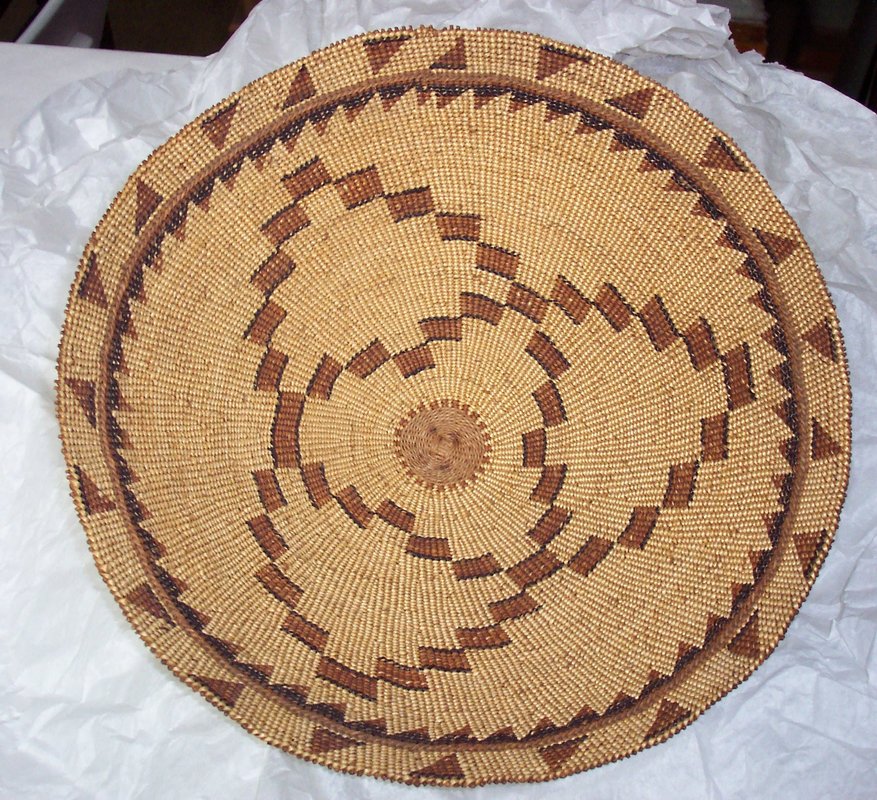
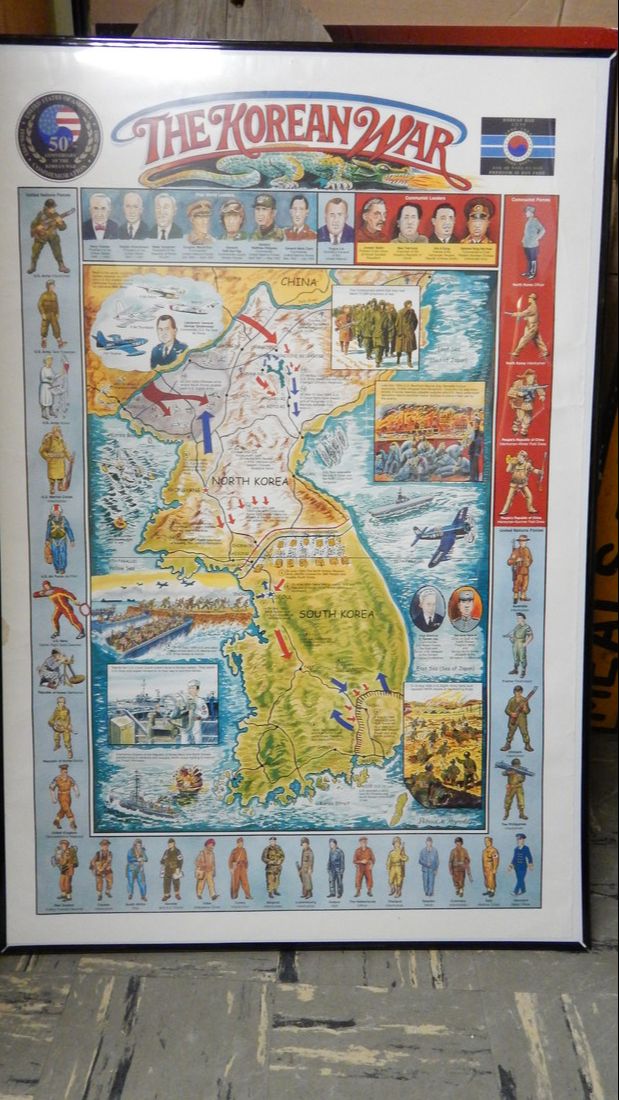
Whether you're a local or a visitor, now is a great time to visit the Clarke Historical Museum and Eureka Visitor Center!On Sunday afternoons, we'll be posting photos and information on some of the newest additions to the museum. This week, we're featuring a Korean War Commemorative Poster, c. 2000-2003. This poster was produced as a commemorative poster for the 50th anniversary of the Korean War. It outlines the leaders of both sides, the various uniforms worn by the countries involved, and an illustration of key events over the course of the war overlaid on a map of North and South Korea. You can see closer-up images of parts of the poster below: While walking through museums, visitors see a variety of items and objects behind glass with descriptions of how they were used. In Nealis Hall here in the museum, you can see a basket being created in stages as part of our basket-making display, which is accompanied by a written narrative of how weavers collected fibers to weave and the years of practice it took to make some of the most incredible baskets on display. In larger museums, there may even be videos of how the items were traditionally used. However, nothing beats seeing these items-or modern reproductions of them- being used in real time, in real life. Smelling the obsidian as it is struck to create arrow heads, hearing the clicking of a spinning wheel while wool is being spun, feeling the cold water while using a washboard to wash clothes-all of these experiences stick in people's memory and make history seem just a bit closer than it was before... That's the idea behind Living History-bringing history to life for people to experience firsthand. Demonstrations of trades and housework have been key to teaching the evolution of everyday life and the progression of history for decades because it is such a powerful tool. However, Living History is a broad method of sharing history with people and provides a multitude of ways to share history with the public.
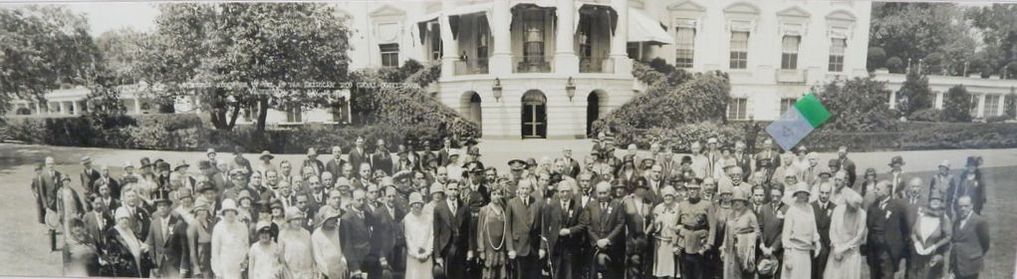
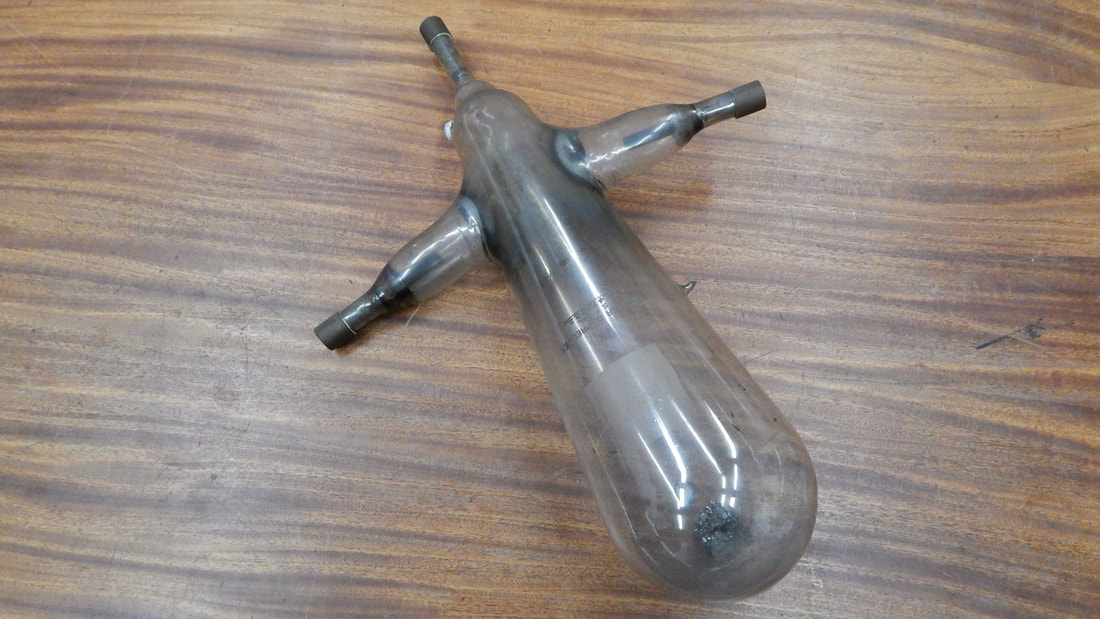
The Clarke Museum is looking for community members who would like to participate in a Living History Day at the museum. Participation can include demonstrating a historical trade or skill, dressing in costume, or assisting with the operation of the event. This event would be held on a Saturday from 11 am-2 pm at the Clarke Historical Museum. Interested in helping out or want more information? Contact Katie at [email protected] The Museum received a new donation today! One item was a panorama photo of the White House reception for the 2nd Pan American Red Cross Conference, Washington DC on May 26, 1926. The photo includes Louis Riley Daniels, M.D who was a pioneer in occupational health. The donor has pointed Dr. Daniels out with the sticky tab on the glass of the photo's frame. The second item was a unique lightbulb, manufactured in 1919 by General Electric and owned by Hobart Brown, of Kinetic Sculpture racing fame. We don't have much information on what it was used for or where it came from, but our notes show it may have been used for projectors in the early days of film. Have additional information on either of these items? Contact Katie at [email protected] .
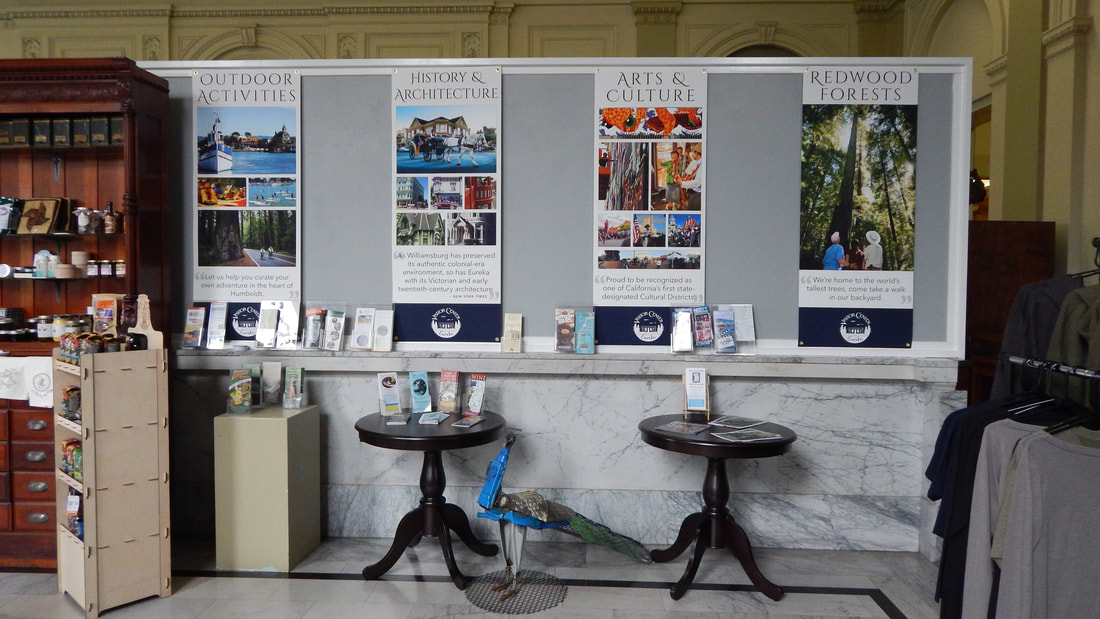
Over the course of the next month, we will be rotating out some of the old displays and showcasing new ones on the following:
Stop by and see what's new!Are you a student looking to learn more about what it is like to work in a museum? Want to build new skills while learning about things that interest you?
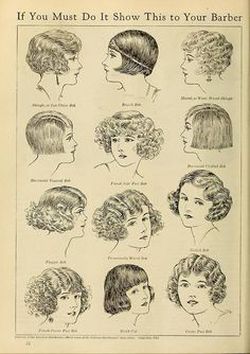
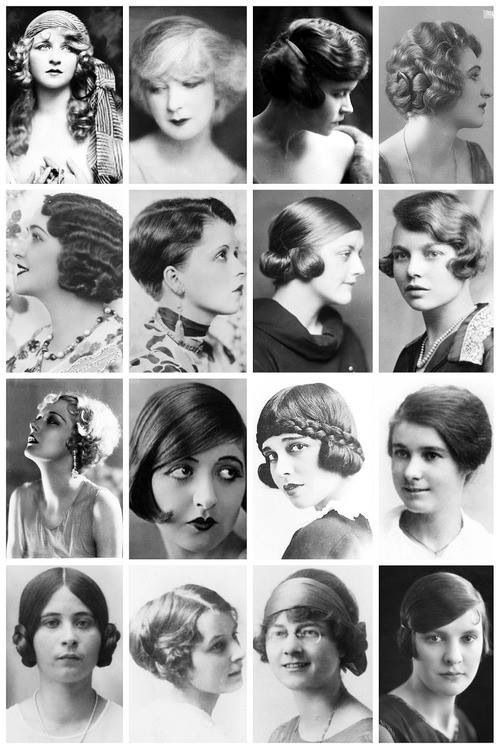
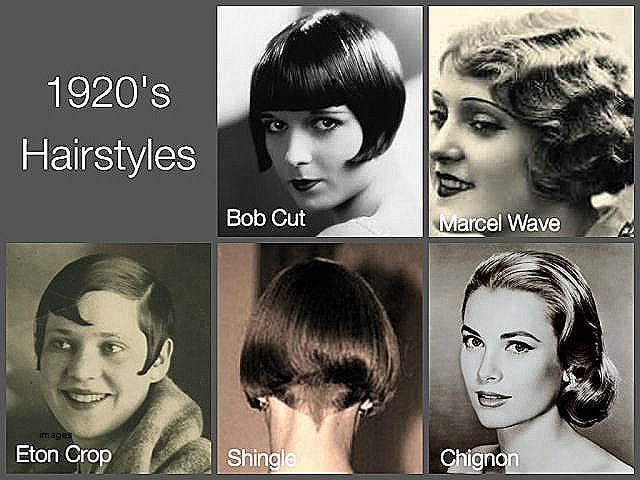
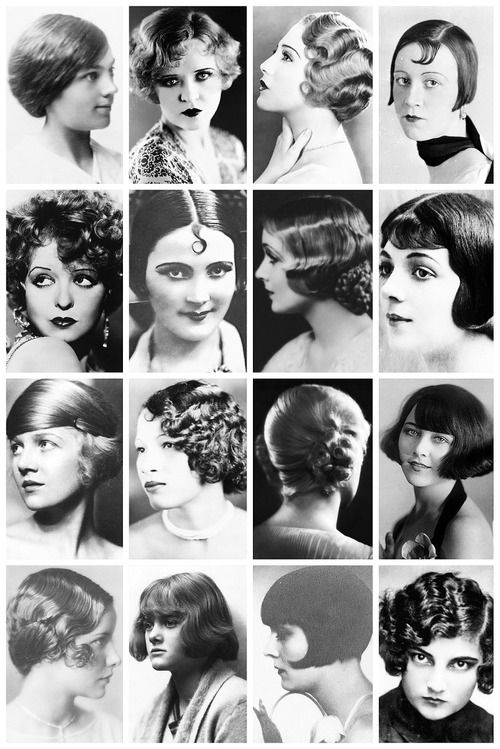
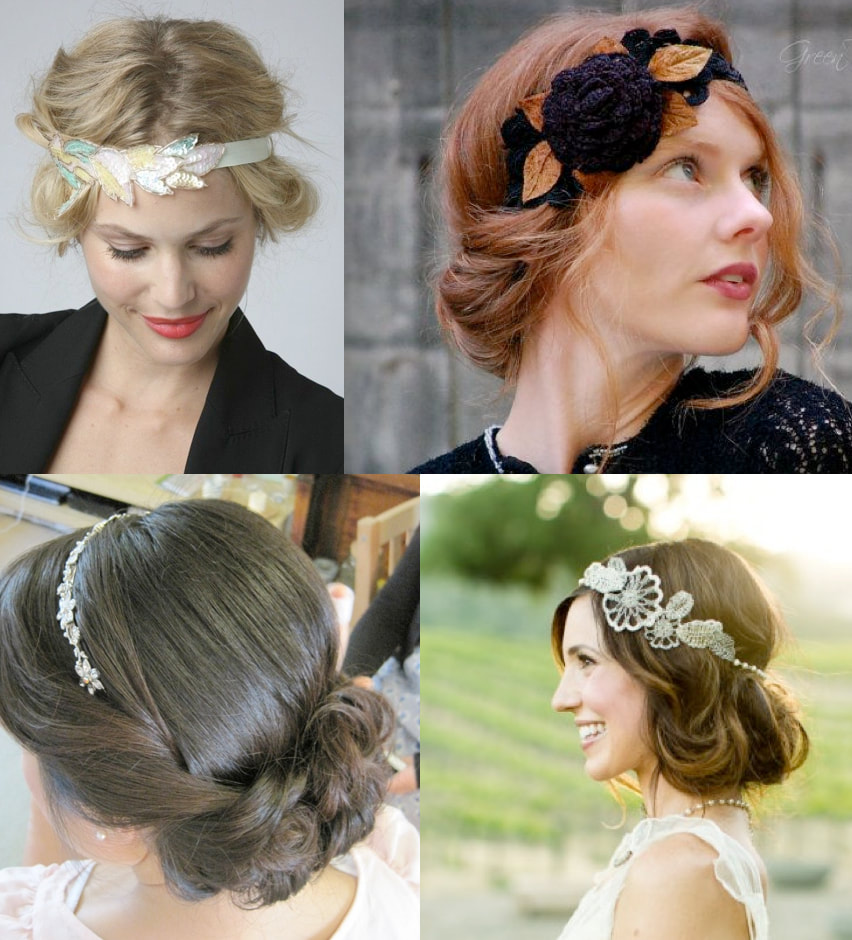
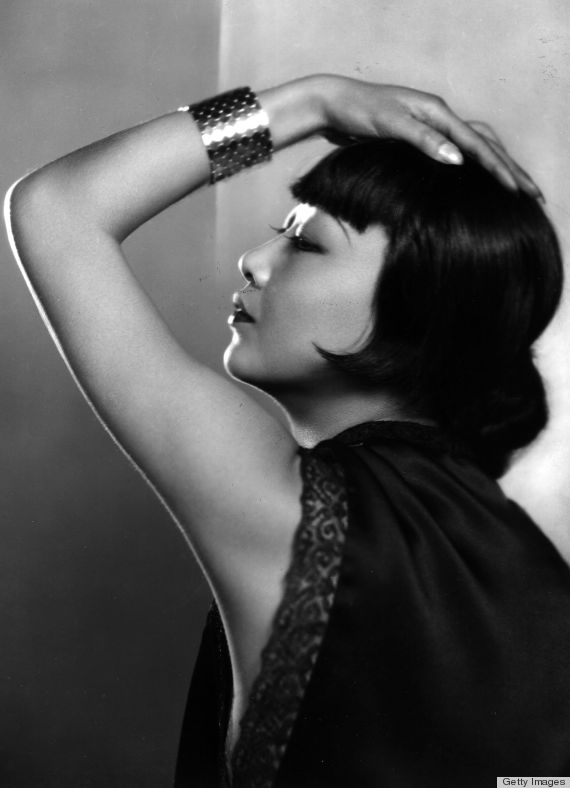
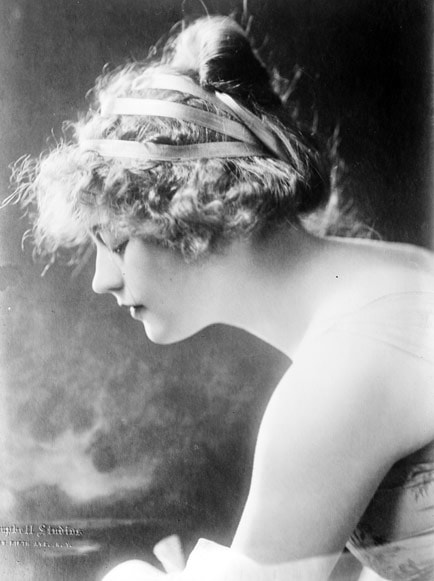
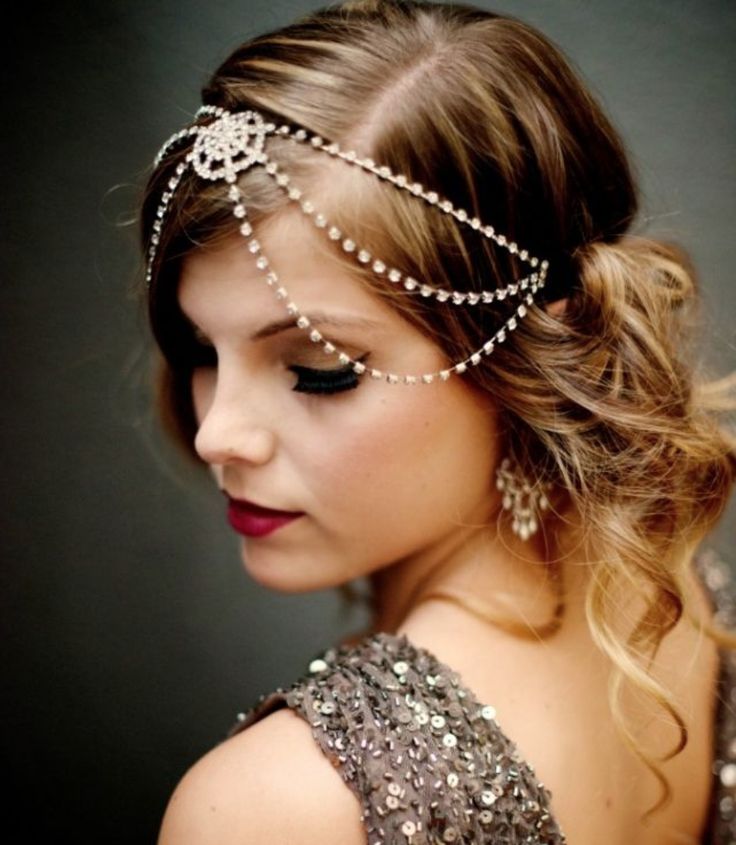
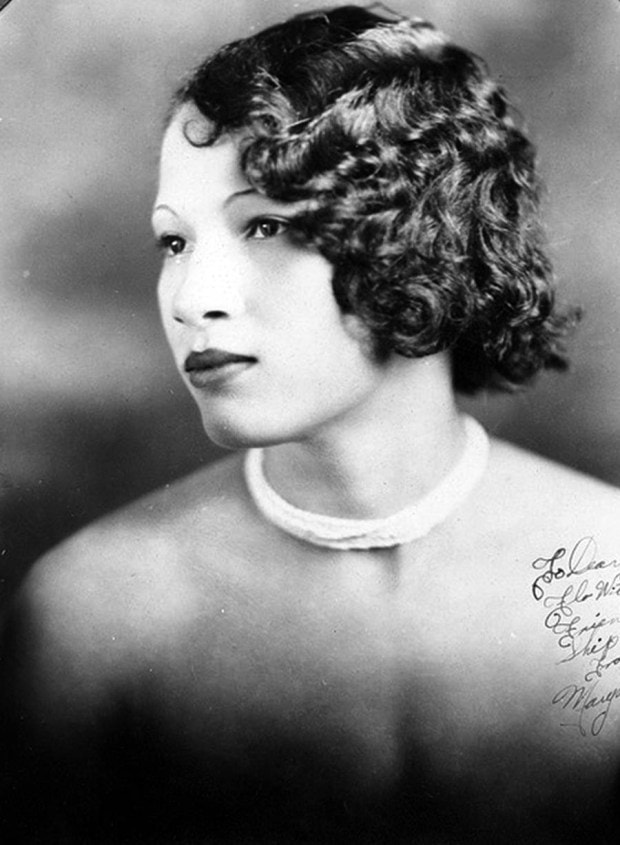
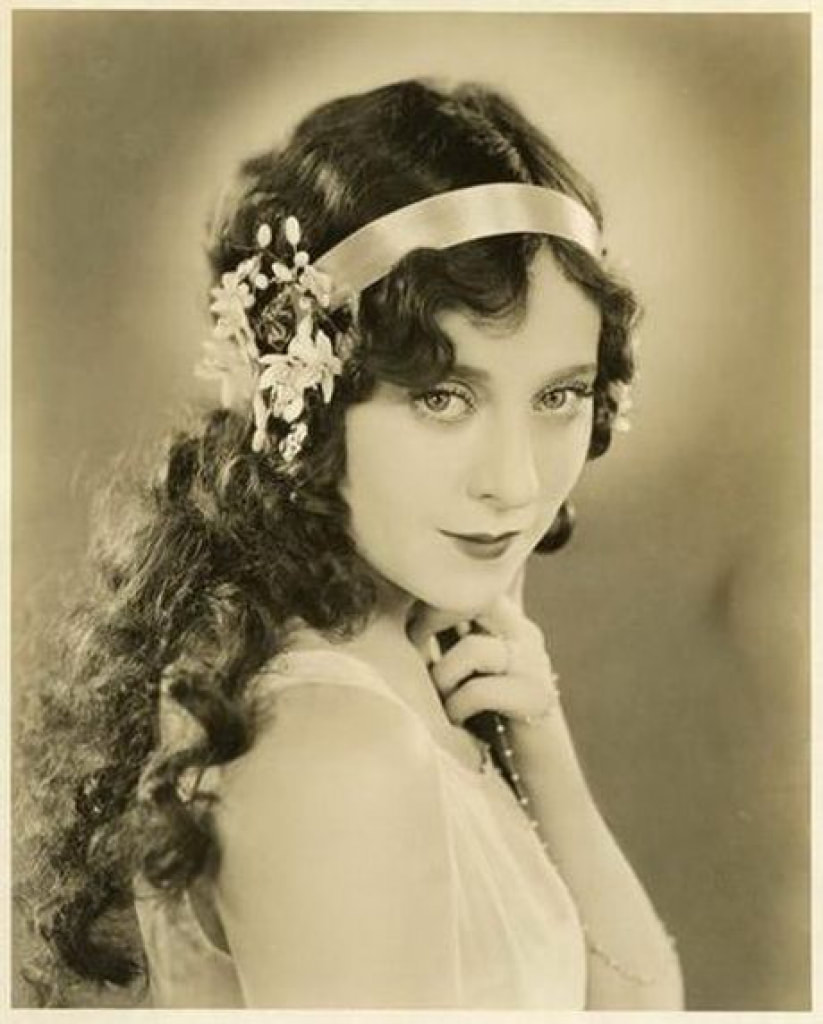
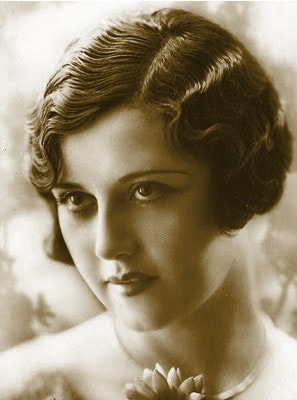
Katie, the Museum Registrar, will be tabling at Humboldt State's Career and Volunteer Expo on Thursday, February 15th, from 12 to 4 pm. Stop by, say hi, and get more information on interning at the Clarke Museum! You can learn more about being an intern on our Intern page here and our volunteer page here. As iconic as were the Eton Crop and the Finger Wave, there was a lot of variety in 1920s hairstyles! And a LOT of controversy! Early feminists started cutting off their hair, symbolically throwing off the shackles of oppression, much to the horror of their fathers and lovers. Fitzgerald's story, "Bernice Bobs Her Hair" (quoted above) accurately captures the hair-do zeitgeist. Hair salons were less common at the time, so women not only had to do it themselves, they had to be incredibly inventive to maintain the latest hairstyles. Finger waves in particular were dangerous to do at home, as curling irons were not yet electric and had to be heated in fireplaces or on top of wood stoves. Combined with all of the pomade they required, the results could be quite disastrous if not done perfectly! Here is a little inspiration, if you plan to attend our Murder Mystery Dinner:
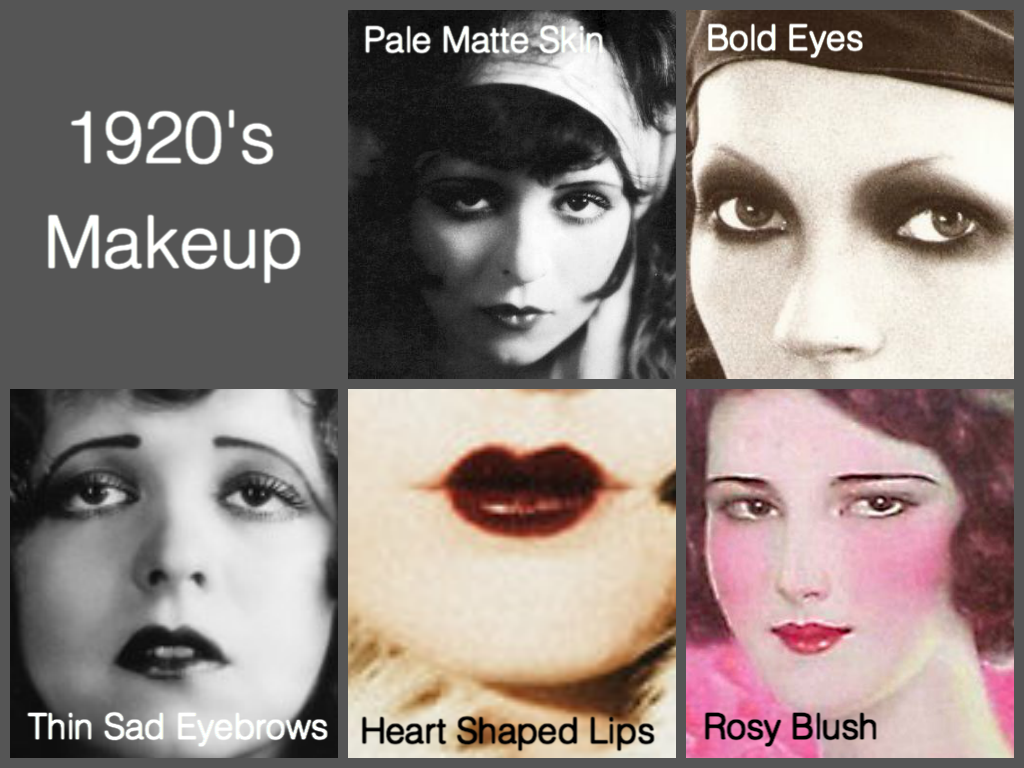
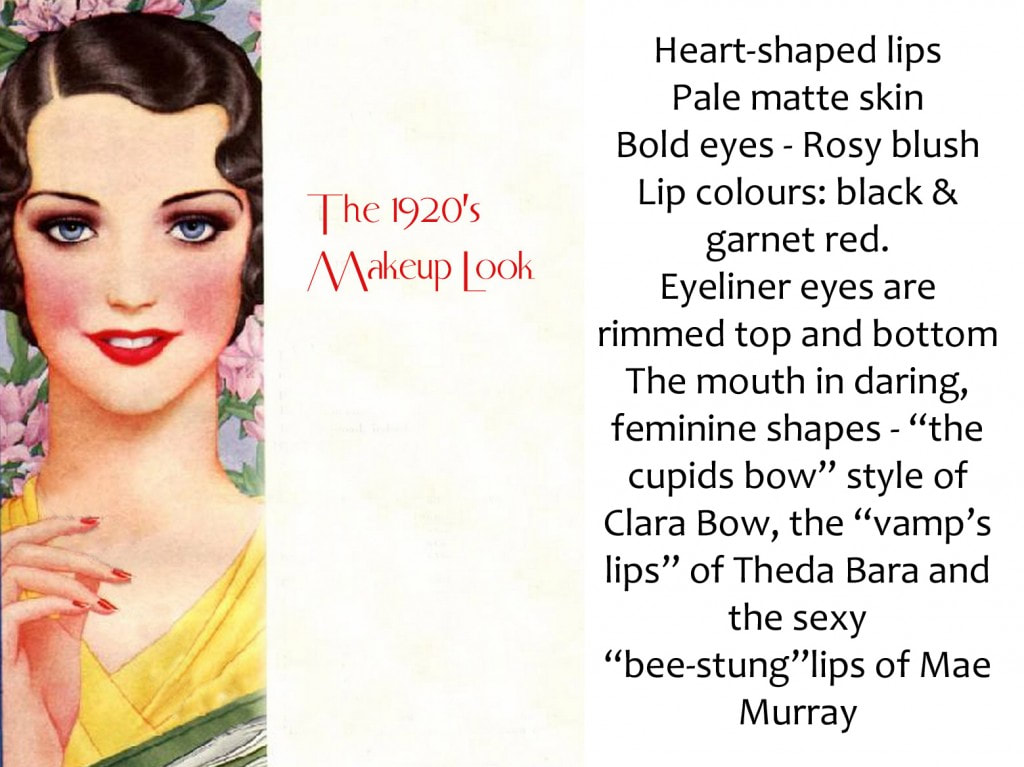
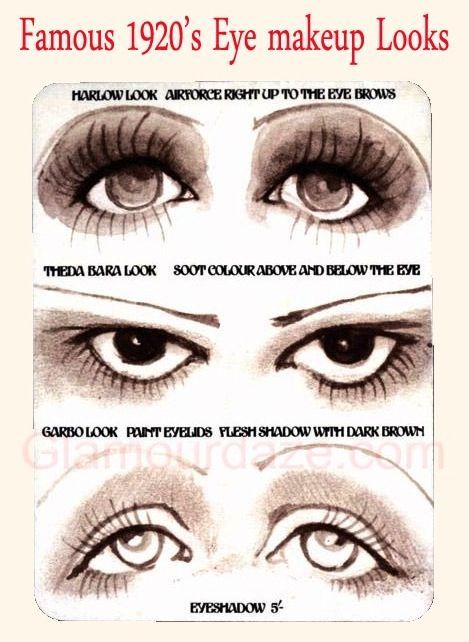
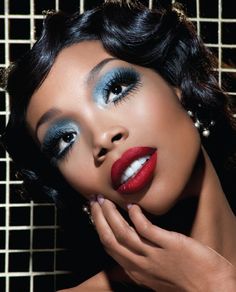
You know what they say-clothes make the man (or woman)! How will you dress up for our Murder Mystery Fundraiser, set in 1929? The 1920s was an exceptionally creative and inspired era for fashion. Women finally stopped wearing corsets and hiked up their hemlines. Men still dressed smartly, but maybe a bit more comfortably. Hats and good times were definitely IN. For a bit more history of the fashion of the era, check out the Glamour Daze blog HERE. Here is some inspiration for what to wear to the Murder Mystery: F. Scott Fitzgerald said that in the Great Gatsby and he was right, especially if you are attending our Valentine's Day Murder Mystery on February 17th! It will be a lot of fun, of course, but for some, the best part will be the costuming. The Costume Box and the Tuxedo Den in Eureka are both offering discounts (if you mention the Clarke Museum), so it'll be easy-peasy to dress up. But what about your make-up? Here are a some graphics that may help! If you'd like to learn a little more about the history of the era's makeup, check out Glamour Daze, an amazing blog about vintage fashion and beauty!
|
AboutKeep up with the Clarke through our Blog! Archives
August 2022
|
|
240 E Street
Eureka, California 95501 [email protected] (707) 443-1947 |
Open Wednesday - Sunday
11 a.m. to 5 p.m. Closed Monday and Tuesday Open until 8:30 p.m. during Friday Night Markets Open until 9 p.m. during Eureka Arts Alive |